.png?width=200&height=42&name=%C2%AE%20(200%20x%2042%20px).png)




Ah yes, January. The month where everything is “new” and suddenly everyone feels like their paid media strategy needs a complete overhaul.
Spoiler: it probably doesn’t.
If you’re staring at your ad accounts thinking, “Do we need to blow this up and start fresh?”, take a breath. Most strategies don’t need a rewrite. They need a reset.

The platforms didn’t forget how to optimize on January 1. Your audiences didn’t wake up as brand-new people. And whatever worked last year didn’t suddenly stop working just because the calendar flipped.
The real opportunity in the new year is about being more intentional. Below, we’ll walk through how to reset your paid media strategy for the new year without tossing the good stuff. Think less “new year, new me” and more “same you, better decisions.”
Step Back Before You Scale Up
When Q1 rolls around, there’s a strong temptation to treat new budgets like a green light. More money, more campaigns, more “let’s see what happens.”
That instinct usually backfires.

Scaling without context is how you end up amplifying inefficiencies instead of results. If something underperformed in December, adding budget in January won’t magically fix it. It just makes the lesson more expensive.
Before increasing spend, take inventory. Look at how performance behaved across the year. Notice where results were consistent and where things only worked under very specific conditions.
Ask questions like:
- Which campaigns held up when conditions changed?
- Where did performance depend heavily on promos, seasonality, or timing?
- What quietly delivered without a lot of babysitting?
Understanding what’s stable versus what’s situational helps you scale the right things early.
Strong Q1 performance doesn’t come from doing more. It comes from knowing where more actually makes sense.
Clarify Your Real Goals
Every ad platform is very helpful when it comes to goals.
Too helpful.
Clicks. Impressions. Video views. Leads. Conversions. ROAS. Pick one (or five) and go. The problem? Platform goals don’t always line up with what the business needs.
This is where a lot of paid media strategies quietly drift off course.
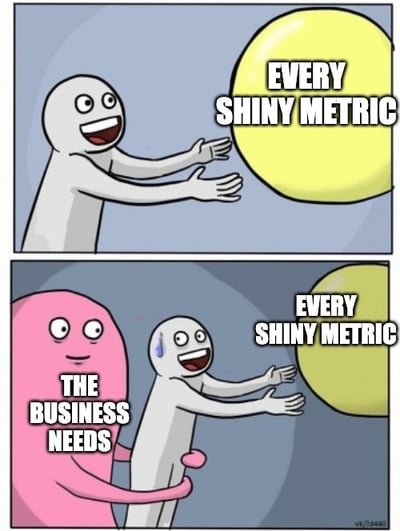
Before you lock in Q1 campaigns, get very clear on what success looks like outside of the dashboard. Are you trying to drive qualified demand or just more traffic? Fill the pipeline or close revenue faster?
“More leads” isn’t helpful if they’re low quality. And “great ROAS” doesn’t mean much if it only comes from a tiny audience.
This is the moment to pressure-test your goals. Make sure your KPIs measure outcomes instead of just platform activity.
The best paid media plans ask, “What does the business need this channel to do?”.
Get that right, and the rest of the strategy has something solid to build on.
Rebalance Your Channel Mix
There’s a quiet pressure in paid media to be “on everything.” Suddenly, your plan includes platforms you haven’t thought about since last January, and a few you’re only using because everyone else is.
That’s how channel mix bloat happens.
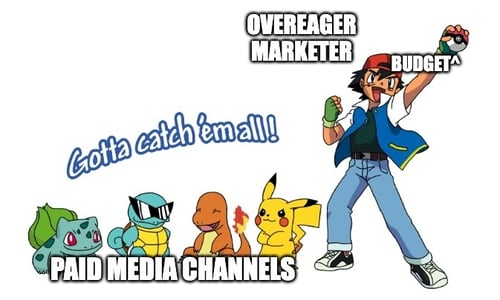
A smarter reset starts by giving every channel a job.
Some channels are built to capture demand that already exists. Others are there to create it.
Some are great closers. Others are better at warming things up and getting people familiar with your brand before they ever search.
When you step back and look at your mix through that lens, a few things usually become clear:
- Some channels are pulling double duty and doing it well
- Others are overlapping without adding incremental value
- A few might be hanging around out of habit, not performance
This doesn’t mean cutting everything that isn’t a direct converter. It means being honest about how each channel contributes to the bigger picture.
In 2026, aim to build a mix where each platform supports one another rather than just competing for a spot on a spreadsheet.
Make Creative the Center of Your Strategy
If creative still feels like the thing you plug in at the end, this is your sign to rethink that.
These days, algorithms can optimize delivery all day long, but creative is what earns attention and moves people to act.
This matters even more at the start of the year. Audiences are coming off heavy holiday ad exposure and fatigue sets in fast.

A smarter reset puts creative front and center. Be sure to test different angles, formats, and tones. Then let performance data inform what you make next.
And no, this doesn’t mean reinventing the wheel every month. It means being intentional about variety. The brands that win aren’t always the ones with the most ads but the ones with the most relevant ones.
Reset Budgets With Flexibility Built In
One of the fastest ways to lock yourself into a mediocre year? Treat your budget like it’s set in stone.
A smarter paid media reset builds flexibility into the plan from day one. Not because you don’t know what you’re doing, but because you do.
Platforms change. Performance shifts. Creative hits (or doesn’t). The ability to move money is what separates strong strategies from reactive ones.
Instead of allocating every dollar up front, think in layers.
Anchor part of your budget to the channels and campaigns that consistently deliver. Then set aside a portion for controlled testing so you can explore new formats, audiences, or placements. And leave room for opportunistic spending when something starts working better than expected.
This approach does two important things. First, it lowers the pressure to be “right” immediately. Second, it creates space to learn early, when adjustments are cheaper and insights pay off all year long.
Clean Up Measurement Before It Becomes a Problem
January is the easiest time to fix measurement issues. Expectations are still flexible, and no one’s mid-fire-drill asking why numbers don’t match. Wait too long, and suddenly you’re debugging tracking while budgets are locked and performance is under the microscope.
This part of the reset isn’t about chasing perfect attribution (that doesn’t exist anymore). It’s about knowing what your data can reliably tell you and where you need to be careful.
A quick way to pressure-test your measurement setup is to look at it across a few core areas:
Area to Review |
What to Check |
Why It Matters |
|
Primary Conversions |
Are you still optimizing toward the right actions? |
If goals drift, performance can look “good” while outcomes suffer. |
|
Event & Tag Setup |
Are events firing consistently across platforms? |
Broken or duplicated tracking skews optimization and reporting. |
|
Platform vs. GA4 Data |
Do the numbers generally tell the same story? |
They won’t match exactly, but large gaps need context. |
|
CRM & Offline Data |
Are leads, revenue, or conversions flowing back into platforms? |
Without this, high-quality channels often get undervalued. |
|
Attribution Windows |
Did settings change over the year? |
Shifts can make performance look better or worse than reality. |
Getting measurement right early keeps the rest of the year focused on improving performance.
Align Your Team
You can have a beautifully thought-out strategy, but if the rest of the team isn’t clear on what changed (or why), execution falls apart fast.
This is where a lot of good plans go to die.

The insights get presented once. The doc gets bookmarked. And everyone keeps doing exactly what they were doing before.
Instead, treat the reset as a moment to get everyone on the same page and keep them there. That means clearly calling out:
- What worked last year and why
- What didn’t work and what’s changing because of it
- Where priorities are shifting in the new year
- How success will be defined moving forward
The goal is to make sure the team is working from the same version of the plan, not five slightly different interpretations of it.
When in Doubt, Phone a Friend
Resetting your paid media strategy doesn’t mean you have to figure everything out solo. Even the best teams hit moments where it helps to sanity-check the plan or just have someone confirm you’re not overthinking it.
If you’re staring at your account, wondering what deserves more love or what to try next, that’s usually a sign it’s time to bring in backup.
That’s where BFO comes in. We partner with teams to untangle the data and build paid media plans that work in the real world. When you’re ready for another set of eyes (and a few strong opinions), we’re here!


SUBSCRIBE TO OUR BLOG
Stay up to date with the latest industry best practices in digital marketing!
















.png?width=339&height=179&name=Webinar%20Banner%20(1).png)


.png?width=339&height=179&name=July%20Webinar%20(Newsletter).png)

.png?width=339&height=179&name=Webinar%20Banner-April-02%20(1).png)
%20(4).png?width=339&height=179&name=Webinar%20Banner-May-02%20(1)%20(4).png)


.png?width=339&height=179&name=March%202023%20Webinar%20Ad%20(autoresponder).png)




.svg)
.svg)
.svg)

%20(1).svg)
.svg)
.svg)

.png?width=339&height=179&name=2025%20Paid%20Media%20(1200%20x%20628%20px).png)















































.png?width=339&height=179&name=2026%20Paid%20Media%20Ad%20Specs%20(Twitter%20Post).png)

.png?width=339&height=179&name=1%20(3).png)