.png?width=200&height=42&name=%C2%AE%20(200%20x%2042%20px).png)




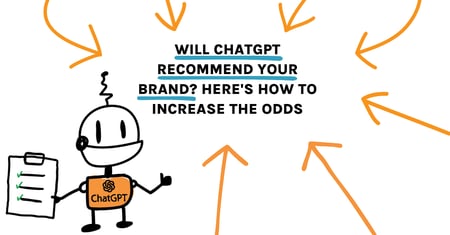
At some point recently, someone asked ChatGPT a question your brand would love to be the answer to.
Maybe it was:
- “What’s the best tool for XYZ?”
- “How do I get started with XYZ?”
- “Which companies should I look at before I decide on XYZ?”
And whether you realized it or not, that question probably triggered a tiny thought in the back of your brain: “…wait, did it mention us?”
Welcome to the new flavor of search anxiety.

People are still Googling. They’re still clicking around.
But they’re also asking AI to summarize, compare, and recommend things in a way that feels incredibly final. When a brand gets name-dropped in one of those answers, it feels important. When it doesn’t, it feels…not great.
Before we all start rewriting our websites for robots, though, let’s take a breath.
ChatGPT isn’t a search engine, in the traditional sense. It’s not ranking brands, crawling your pages, or quietly judging your H1s. There’s no secret “get recommended by AI” playbook floating around behind the scenes.

Fortunately, there are patterns in which brands tend to show up, and they’re way more manageable than most AI hot takes would have you believe.
We’re sharing how ChatGPT mentions brands, what influences those mentions, and how to increase the odds without chasing every shiny AI trend.
First, Let’s Clear This Up: How ChatGPT Mentions Brands
It’s tempting to start by asking, “How do we optimize for ChatGPT?”, but first, we need to rewind a second.
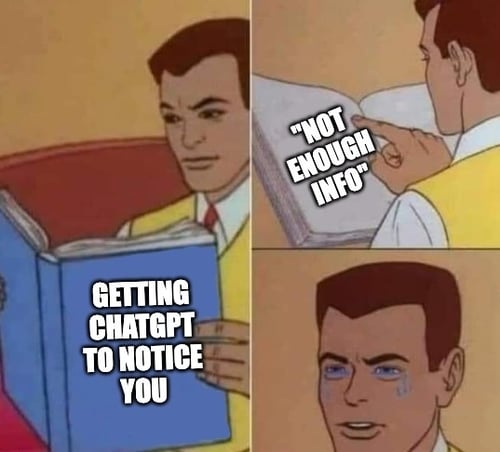
ChatGPT generates answers based on patterns it’s learned from a massive amount of existing information. That includes things like widely published content, trusted sources, and how often certain brands are discussed in relation to specific topics or use cases.
So when a brand shows up in an AI-generated answer, it’s usually because one of a few things is true:
- The brand is well-known within its category
- It’s consistently associated with a specific problem or solution
- It shows up frequently and clearly in credible content
- There’s general agreement about what the brand is good at
There’s also an important nuance here that trips people up: being mentioned doesn’t always mean being endorsed.
Sometimes a brand shows up as:
- An example (“Tools like X and Y…”)
- A category reference (“Companies often use X for this…”)
- A comparison point (“Unlike X, this option…”)
All of those count as visibility, but they’re not the same thing, and they don’t all happen for the same reasons.
The biggest takeaway: ChatGPT doesn’t discover brands the way users do. It echoes what’s already been reinforced across the internet.
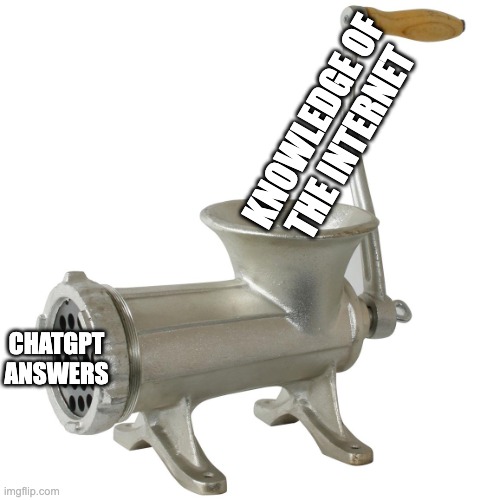
So if your brand feels invisible in AI answers, it’s not because the robot doesn’t like you. It’s likely because the signals around what you do, who you’re for, or where you show up are a little too quiet.
Good news: those are fixable problems.
When ChatGPT Is Most Likely to Mention a Brand
ChatGPT doesn’t wake up and think, “Who should I shout out today?”
Because it can’t think. It’s a robot. And we’re all better off remembering that.
Instead, it draws on well-established patterns. When a brand shows up in an answer, it’s typically because it fits cleanly into one of a few familiar buckets.
1. The “Everyone Knows This One” Brands
These are the category staples. The names that come up again and again because they’ve been around, they’re widely used, or they’re deeply embedded in how people talk about a space.
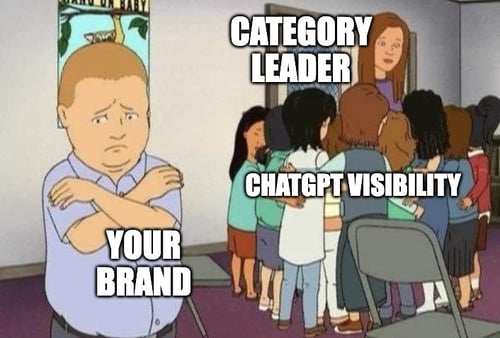
Think: tools, platforms, or companies that have become shorthand for what they do.
ChatGPT mentions these brands not because they’re trendy, but because they’re hard to talk about the category without them.
If you’re in this bucket, congrats. If you’re not, don’t panic. Most brands aren’t, and that’s okay.
2. Brands Tightly Linked to a Specific Use Case
Some brands punch above their weight because they’re crystal clear about when and why you’d use them.
They’re not trying to be everything to everyone. They’re the brand people associate with:
- “Best for this situation”
- “Ideal if you’re dealing with that problem”
- “A common option when you need X”
That kind of clarity travels far. When lots of content and comparisons reinforce the same association, AI models pick up on it too.
Vague positioning, on the other hand, tends to disappear into the void.
3. Brands That Show Up in Trusted, Third-Party Content
ChatGPT leans heavily on information that’s been validated outside a brand’s own website.

This includes:
- Industry publications
- Reviews and comparisons
- Educational content
- Guides that get referenced again and again
If your brand is frequently mentioned by others (especially in credible contexts), it becomes part of the common knowledge set AI reflects.
Self-promotion alone doesn’t get you very far here. Being talked about does.
4. Brands With a Strong Consensus Around What They Do Well
This one’s sneaky but important.
Brands that get mentioned consistently tend to have one thing in common: people generally agree on what they’re good at.

There’s not a lot of confusion or contradiction floating around. The messaging is aligned, and the use cases are clear.
When that consensus exists, it’s easy for ChatGPT to surface the brand naturally in relevant answers. When it doesn’t, the brand often gets skipped.
The Big Pattern to Notice
Across all of these scenarios, one thing stays consistent: ChatGPT mirrors how humans understand a brand.
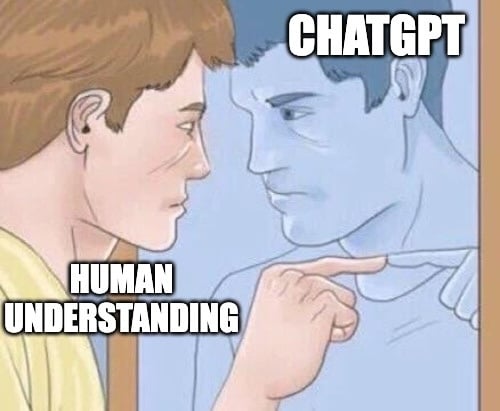
It’s not reacting to a single blog post or a clever AI-themed headline. It’s reflecting repetition, consistency, and recognition over time.
Which means the goal isn’t to get recommended by ChatGPT.
Instead, it’s to become a brand that’s easy to recognize and associate with a specific job. Everything else flows from there.
What Doesn’t Help (Despite What LinkedIn Says)
Whenever a new platform or algorithm enters the chat, the internet does what it does best: immediately overcomplicates it.
AI is no exception.
If you’ve spent more than five minutes on LinkedIn lately, you’ve probably seen bold claims about “optimizing for ChatGPT” or secret strategies to get your brand mentioned in AI answers. Some of it sounds impressive. Most of it doesn’t hold up.
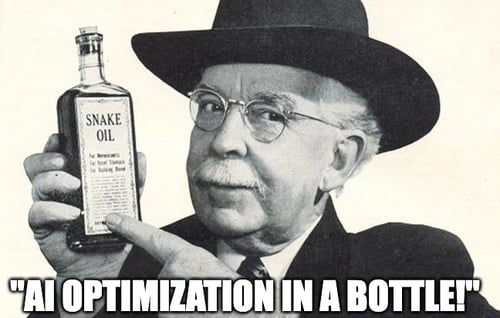
Here are a few things we see teams doing that feel proactive, but don’t move the needle.
Don't Optimize for ChatGPT Pages
Dedicated landing pages stuffed with phrases like “best AI-recommended solution” or “trusted by ChatGPT” are not doing what people think they’re doing.
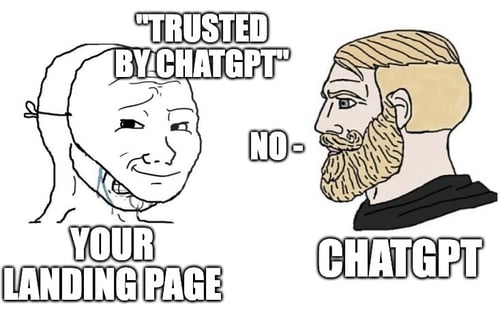
ChatGPT isn’t crawling your site, looking for those words. And even if it were, vague self-endorsement isn’t a strong signal of credibility.
If anything, this kind of content adds noise without adding clarity, which is the opposite of what helps.
Don't Chase AI Buzzwords Everywhere
Slapping “AI-powered,” “AI-ready,” or “AI-first” into every headline doesn’t make your brand more visible to AI. It just makes your messaging harder for humans to understand.
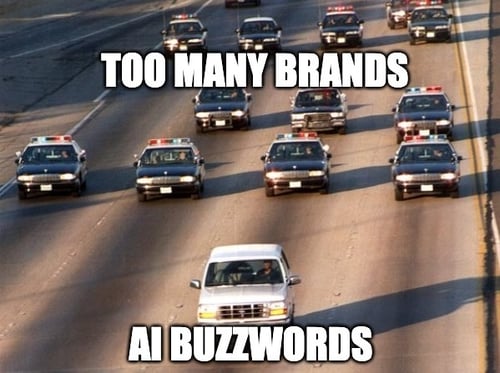
Clear positioning beats trendy language every time. If people can’t quickly grasp what you do and when you’re relevant, AI won’t either.
Don't Publish Thin Thought Leadership Just to Say You Did
More content ≠ better signals.
A flood of surface-level posts that restate what everyone already knows (“AI is changing marketing!”) doesn’t reinforce authority or expertise. It just blends in with the rest of the internet, shouting the same thing.

Quality, specificity, and usefulness matter far more than volume here.
Don't Assuming More Content = More AI Visibility
Yes, content matters. But if that content is inconsistent or unfocused, it can dilute the signals around your brand.

AI tends to favor patterns it can clearly understand. A content strategy that tries to cover everything often ends up reinforcing nothing.
Don't Treat AI Visibility Like a Growth Hack
This is the big one.
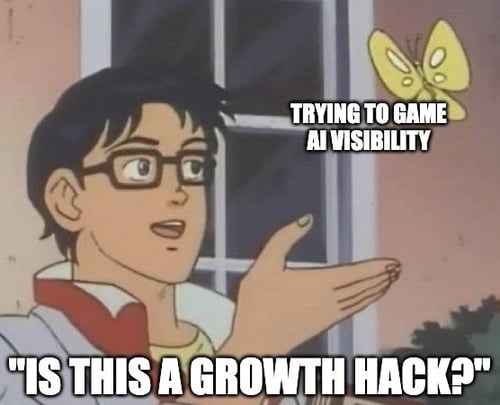
Trying to “game” AI mentions is a sign that the fundamentals need work. Brand clarity, authority, and real-world recognition are not overnight wins, and AI reflects that reality.
If something sounds like a shortcut, it probably is.
The Reality Check
Most of what doesn’t help boils down to the same issue: focusing on what AI might see instead of what people understand.
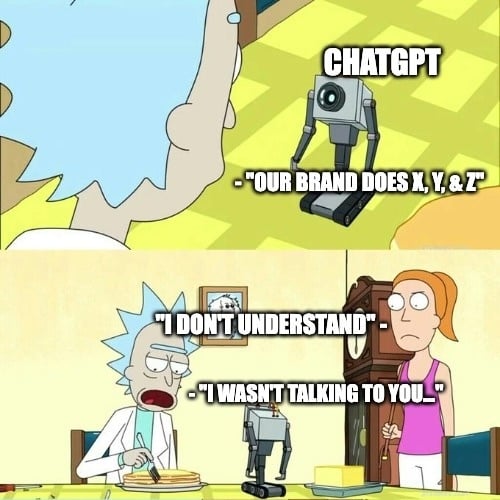
So if your strategy feels like it’s designed to impress a robot rather than communicate clearly with real humans, it’s probably time to rethink it.
How to Increase the Odds
There’s no button you can press to make ChatGPT talk about your brand. But there are some real ways to make your brand easier to recognize and reference, by humans and AI.
It’s less “optimizing for ChatGPT” and more tightening up the signals you’re already putting into the world.
1. Be Extremely Clear About What You Do
Clarity is the biggest unlock here, and it’s also the one most brands underestimate.
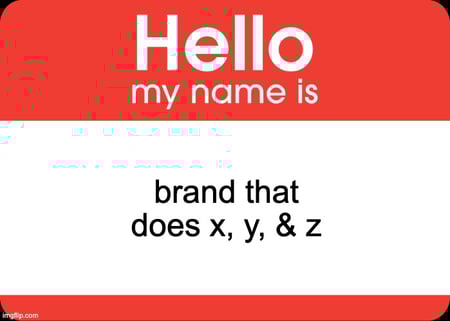
If your positioning sounds like it could describe five other companies, that ambiguity can confuse buyers and give AI nothing solid to latch onto.
Strong brands tend to:
- Use consistent language across their site, content, and sales materials
- Clearly state who they’re for and when they’re the right choice
- Resist the urge to be everything to everyone
2. Show Up Where AI Training Signals Come From
AI models learn from patterns in widely available, trusted information. That means mentions in credible, third-party places matter more than shouting into your own echo chamber.

Focus on being present in:
- Industry publications and roundups
- Reviews and comparisons
- Educational guides and resources
- Podcasts, webinars, and expert commentary
The goal isn’t backlinks for the sake of backlinks. It’s reinforcement.
When the same brand shows up repeatedly in relevant contexts, it becomes part of the shared narrative.
3. Create Content That Answers Questions
AI is especially good at surfacing comparisons and use-case-driven answers. So content that mirrors how people ask questions tends to carry more weight than content that reads like a brochure.
Formats that tend to work well:
- “Best for” and “when to use” breakdowns
- Honest comparisons (yes, including competitors)
- Pros, cons, and tradeoffs
- Clear explanations of why someone would choose one option over another
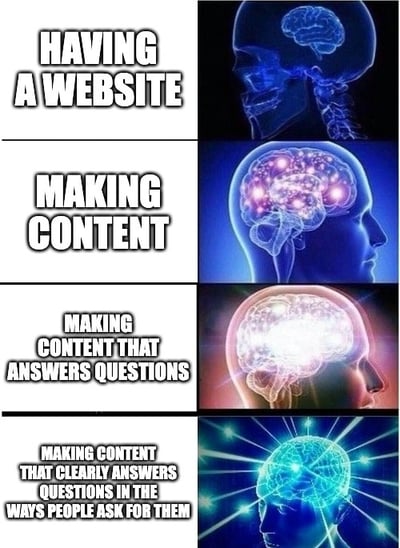
Bonus: this kind of content also performs well in search and sales conversations. Wild how that works!
4. Build Brand Signals Beyond Your Website
Your website matters, but it’s not the only place your brand story is being told.
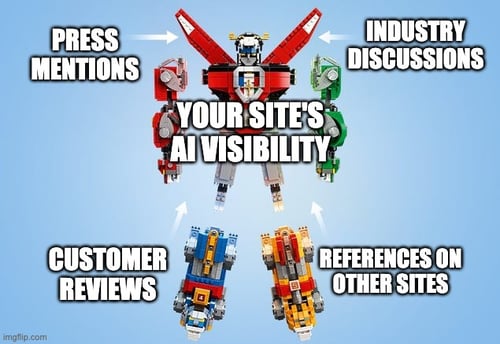
AI tends to trust consensus more than self-description. That means reviews, mentions, and conversations elsewhere carry real weight.
Look for ways to:
- Encourage and amplify customer reviews
- Get referenced in case studies that others cite
- Participate in industry discussions and communities
- Be mentioned naturally, not just linked
The Common Thread
All of this boils down to one thing: make your brand easy to understand and place.
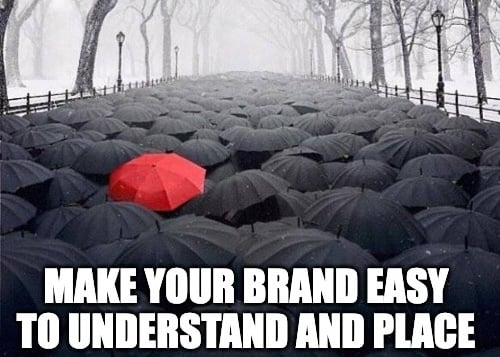
When what you do is clear and when your name shows up in the right contexts, AI doesn’t have to guess. It just reflects what’s already obvious.
And that’s when mentions start happening naturally.
Final Thoughts: You Don’t Need to Chase the Algorithm
It’s tempting to treat every shift in search behavior like an emergency. New platform, new rules, new thing you’re “supposed” to optimize for.
AI just happens to be the loudest one right now.
But the brands that show up in ChatGPT answers aren’t doing anything wildly different or futuristic. They’re clear about what they do. They show up in places people trust. And they’ve built enough recognition that their name makes sense in context.
If parts of this made you realize your positioning is a little fuzzy or your content could do more heavy lifting, that’s normal. Most teams are still figuring this out.
But that’s where our experts can step in. We’re here to tighten your messaging, create content that answers the right questions, and ensure you’re using your data to its full potential.
Reach out anytime. We’re happy to talk through it and help you move forward strategically (no panicking required!).


SUBSCRIBE TO OUR BLOG
Stay up to date with the latest industry best practices in digital marketing!












.png?width=339&height=179&name=Webinar%20Banner%20(1).png)


.png?width=339&height=179&name=July%20Webinar%20(Newsletter).png)
.png?width=339&height=179&name=Webinar%20Banner-April-02%20(1).png)
%20(4).png?width=339&height=179&name=Webinar%20Banner-May-02%20(1)%20(4).png)




.png?width=339&height=179&name=March%202023%20Webinar%20Ad%20(autoresponder).png)


.svg)
.svg)
.svg)
%20(1).svg)
.svg)
.svg)

.png?width=339&height=179&name=2025%20Paid%20Media%20(1200%20x%20628%20px).png)


































.png?width=339&height=179&name=2026%20Paid%20Media%20Ad%20Specs%20(Twitter%20Post).png)

.png?width=339&height=179&name=1%20(3).png)