.png?width=200&height=42&name=%C2%AE%20(200%20x%2042%20px).png)




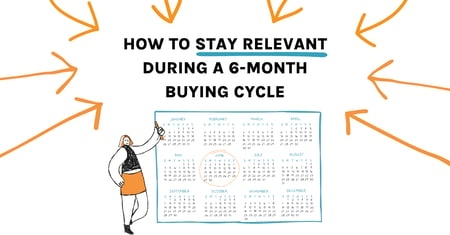
Nobody starts a buying cycle thinking it's going to take six months. Yet, here we are.
Somewhere between the first demo and the decision, a stakeholder had opinions, a budget got side-eyed, and the whole thing kind of...stretched. This is high-consideration purchasing in the wild.
The brands that win these long cycles aren't always the ones who came in hottest. They're the ones who were still showing up with something useful when everyone else had gone quiet or gotten a little too pushy. There's a serious difference between those two things, and we're going to get into both.
Why Long Buying Cycles Are Their Own Beast
A six-month evaluation has its own personality. The journey loops and stalls in ways nobody planned for.
A buyer can be 80% of the way to a decision, and then a budget conversation happens, and suddenly everyone's back at the beginning. A jewelry buyer who was ready to pull the trigger on a custom piece starts wondering if they should wait until the holidays. A homeowner deep into researching a renovation suddenly hits a snag with financing and the whole thing gets pushed to spring.
The cast of characters shifts too. The person who was your biggest fan in the first meeting might be heads down on something different by month five. Someone who barely said a word early on might end up being the one who makes the final call.
None of this is anybody's fault. This is simply the reality of how big decisions get made inside organizations.
The Fading Problem
A brand comes in strong, with timely outreach and relevant content, and the first few conversations go really well. There's momentum, and everyone walks away feeling like this one's got legs.
Then month two hits. Then month three. The brand, having used up all their best material in the first thirty days, starts running out of things to say. Follow-ups get more generic, and it starts feeling like a party that peaked too early. Now, everyone's hanging around waiting for something to happen.
The buyer, meanwhile, is still very much in evaluation mode. They're comparing contractors, revisiting jewelry options, or rethinking which DTC brand fits their lifestyle. Unfortunately, somewhere along the way, you went from useful to a name they vaguely remember from a few months ago.
There's no dramatic turning point. Just a gradual fade, and a gap in the conversation that someone else was happy to fill.
What Relevance Means at Each Stage
One of the biggest mistakes high-consideration brands make in a long buying cycle is treating every touchpoint the same regardless of where the buyer is. Month one content hitting a month five buyer is like showing someone a restaurant menu when they've already ordered.

Here's what lands at each stage:
Early: Help Them Understand the Problem
At the start, buyers are still figuring out how to explain the problem to themselves, let alone justify it to anyone else. A homeowner knows they want to redo their kitchen but can't quite articulate why now or what it's worth. A jewelry shopper knows they want something meaningful but hasn't found the language for what that looks like yet. The brands that win here are the ones who help buyers find the words for something they've struggled to articulate.
Middle: Help Them Build the Case
By the middle of the cycle, your buyer is basically a convert. The problem is they're surrounded by people who aren't yet. They've got a stakeholder meeting coming up or a skeptical finance team. Help them walk into that room prepared. That means arming them with real proof, results, and a clear value story they can use.
Late: Help Them Feel Ready to Decide
Late stage is where buyers get weird. They like you, everyone's nodding, and somehow nothing moves. That's because they don't need more information at this point. Instead, they need confidence. Make the outcome obvious and make saying yes a lot more appealing than spending another month in evaluation purgatory.
How to Stay Present Without Being Annoying
There's a version of staying present that makes buyers feel supported and a version that makes them want to change their email address. The difference matters, and it mostly comes down to whether you're adding something or just reminding them you exist.
Nobody wants to be followed up with for the sake of being followed up with. A generic check-in every two weeks creates a paper trail of increasingly awkward emails that both parties are tired of.
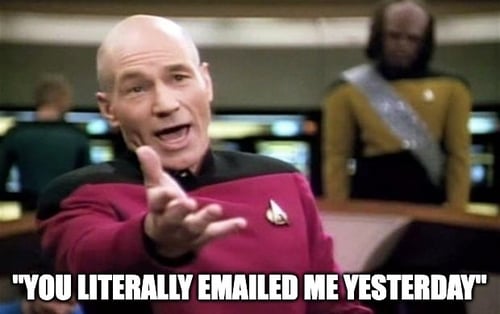
What works is mixing it up in ways that are natural instead of manufactured. Think: a relevant article that applies to something they mentioned or a webinar that maps to where they are in the decision. These things keep you in the conversation without making the buyer feel like they're being managed through a CRM workflow (even if they are).
Letting the buyer set some of the pace helps too. Not every touchpoint needs to end with a push toward the next step. Sometimes the most confidence-building thing you can do is make it clear there's no pressure. Buyers in long cycles can smell desperation from a mile away, and nothing kills momentum faster than feeling like the vendor needs this more than they do.
You want to be the brand they're glad to hear from. That's a higher bar than it sounds, but it's also not that complicated. Show up with something worth their time and read the room when they're telling you to slow down.
Keeping Your Internal Champion Warm
Something that doesn't get talked about enough? Your internal champion gets tired too.
They came into this process excited and have been carrying the flag for your solution for months now. That's a lot of energy to sustain, especially when the decision keeps getting pushed, and other priorities show up demanding attention.
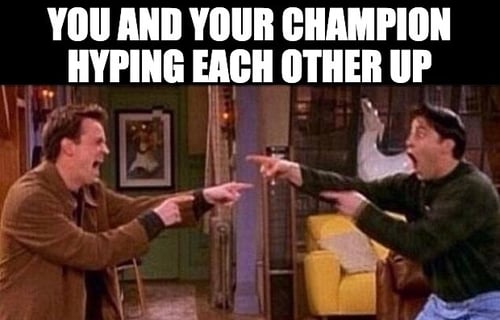
A champion whose enthusiasm has faded is a problem, not because they've changed their mind, but because they've stopped actively advocating. In a long buying cycle, passive support is kinda the same as no support.
The fix isn't complicated, but it does require some intention. Give them reasons to stay excited.
Consider:
- New proof points
- A relevant win from a similar company
- Something that reminds them why they started this process in the first place
The easier you make their job, the more likely they are to keep doing it.
Think of your champion less like a contact and more like a partner. They're doing work on your behalf inside an organization you don't have full visibility into. The brands that treat that relationship accordingly tend to find their champion shows up more energized when it counts.
The Long Game Is Still a Game Worth Winning
Six months is a long time to stay interesting. We won't pretend otherwise! But the brands that figure out how to do it are the brands that win deals other people thought they had.
Every touchpoint is either building confidence or losing some ground. Luckily, most of your competition is losing ground around month three, which means the bar for showing up well in month four is low. You just have to show up.
If you're not sure whether your current approach is keeping buyers engaged or slowly turning into background noise, that's what BFO is here to figure out with you. We help high-consideration brands stay relevant all the way through to the part where someone finally signs something. Send us a message anytime to get started!


SUBSCRIBE TO OUR BLOG
Stay up to date with the latest industry best practices in digital marketing!











.png?width=339&height=179&name=Webinar%20Banner%20(1).png)
.png?width=339&height=179&name=July%20Webinar%20(Newsletter).png)
.png?width=339&height=179&name=Webinar%20Banner-April-02%20(1).png)
%20(4).png?width=339&height=179&name=Webinar%20Banner-May-02%20(1)%20(4).png)

.png?width=339&height=179&name=March%202023%20Webinar%20Ad%20(autoresponder).png)

.svg)
.svg)
.svg)
%20(1).svg)
.svg)
.svg)

.png?width=339&height=179&name=2025%20Paid%20Media%20(1200%20x%20628%20px).png)



































.png?width=339&height=179&name=2026%20Paid%20Media%20Ad%20Specs%20(Twitter%20Post).png)
.png?width=339&height=179&name=1%20(3).png)