November has been a busy month for search.
On November 10, Google launched its November 2026 Core Update, while OpenAI introduced Businesses in ChatGPT through its new Business Hub. Meanwhile, Google continues expanding AI Max for Search, bringing additional automation to paid advertising.
While these announcements cover different areas of search, they share something important. Businesses now have more ways to reach potential customers, but understanding how those interactions contribute to leads and revenue is becoming more complicated.
For brands with longer buying cycles, where customers may spend weeks or months researching before making a decision, these changes are worth paying attention to.
Here's what happened and what businesses should be watching.
Key Highlights
- November 2026 Core Update: Google began rolling out a broad core update on November 10, with completion expected within two weeks.
- ChatGPT Business Hub: OpenAI launched business profiles in ChatGPT, allowing eligible businesses to claim their listings and access new visibility data.
- AI Max for Search: Google is expanding AI-powered advertising capabilities, with additional campaign migrations scheduled for early 2027.
- AI Search Visibility: Businesses have new opportunities to understand how their brands appear in AI-generated responses.
- Measurement Matters: As customers move between organic search, AI platforms, and paid advertising, connecting marketing performance to leads and revenue becomes increasingly important.
Google's November 2026 Core Update Is Rolling Out
Google officially launched its November 2026 Core Update on November 10, with the rollout expected to take up to two weeks.
Like previous core updates, this is a broad change to Google's ranking systems designed to improve the relevance and usefulness of search results. It applies globally and can affect websites across industries.
The timing is worth noting. With Black Friday and Cyber Monday approaching, businesses may experience ranking fluctuations during an important period for online research and shopping.
Google has not identified a particular industry or content type being targeted.
We've covered several of Google's recent algorithm changes, including the September 2026 Spam Update and the March 2026 Core and Spam Updates.
Unlike spam updates, core updates aren't necessarily about identifying violations. A decline in rankings doesn't automatically mean something is wrong with your website.
What Should Businesses Do During the Rollout?
For now, our recommendation is to monitor performance rather than react to individual ranking changes.
A few areas worth reviewing:
- Organic Performance: Monitor clicks, impressions, and rankings in Google Search Console.
- Page-Level Changes: Identify whether certain service pages, location pages, or blog content are gaining or losing visibility.
- Traffic and Conversions: Look beyond rankings to understand whether changes are affecting leads or sales.
- Seasonality: Keep holiday demand and changes in search behavior in mind when comparing performance.
We generally recommend waiting until the rollout is complete before making major SEO adjustments based on the update.
You can follow its progress through the Google Search Status Dashboard.
ChatGPT Business Hub Gives Businesses New Visibility Into AI Search
One of the more interesting announcements this month came from OpenAI.
On November 10, OpenAI introduced Businesses in ChatGPT, a new beta experience that allows businesses to claim and manage their profiles directly within ChatGPT.
Through the ChatGPT Business Hub, eligible businesses can verify ownership, update business information, and access reporting on how users interact with their brand.
This is particularly interesting from an SEO and AI Search perspective because businesses have historically had limited visibility into how often their brands are mentioned or discovered within AI platforms.
What Information Is Available?
According to OpenAI's announcement, Business Hub introduces several features:
- Business Profiles: Claim and manage information about your business within ChatGPT.
- Brand Mentions: See how often your business is mentioned.
- Website Clicks: View reported clicks from ChatGPT to your website.
- Discovery Topics: Understand common themes in conversations where your website is cited.
- Business Agents: Eligible businesses can offer an AI-powered chat experience where users can ask questions about their products or services.
Businesses can verify ownership using supported methods such as phone or DNS verification.
The reporting is still in its early stages, and not every business will immediately have access to the same features or data.
It's also important to understand that reported clicks don't necessarily translate into website visits or conversions. Businesses should continue using tools like GA4 to measure referral traffic and determine whether those visitors are generating leads or sales.
Why This Matters for AI SEO
For businesses investing in AI Search Optimization, this is an encouraging development.
We can now begin getting additional information directly from ChatGPT about how businesses are being discovered, which topics they're associated with, and whether users are clicking through to their websites.
That information can help identify opportunities to improve brand messaging, website content, and AI visibility.
For example, if ChatGPT frequently references your business for one service but rarely mentions another important offering, that could be an opportunity to review how clearly your website communicates those services.
It won't replace traditional SEO reporting or third-party AI visibility tools, but it gives businesses another source of information to help understand their presence in AI search.
Google AI Max Is Changing How Paid Search Campaigns Operate
Google is also continuing to expand AI Max for Search, bringing more automation into how paid search campaigns identify relevant queries, generate ad content, and select landing pages.
AI Max isn't entirely new, but recent announcements and upcoming changes make it an important consideration for businesses planning their 2027 advertising strategies.
One of the biggest changes involves Dynamic Search Ads (DSA).
Google has announced plans to retire legacy DSA functionality, with the final automatic migration to AI Max scheduled to begin in February 2027.
Google is also introducing additional reporting that will help advertisers better understand which search terms triggered their ads, what creative assets were shown, and which landing pages users visited.
You can read more about these changes in Google's AI Max announcement.
What Does This Mean for Advertisers?
As Google introduces more automation, advertisers will need to pay closer attention to campaign performance and the quality of the conversions they're generating.
For businesses with longer sales cycles, generating more leads doesn't necessarily mean generating better leads.
A campaign might produce an increase in form submissions while bringing in fewer qualified prospects or customers.
That's why accurate conversion tracking, search term reviews, and clear campaign goals remain important.
Businesses using Dynamic Search Ads should also review their existing campaigns and work with their paid media teams to prepare for the upcoming transition.
Why Visibility and Measurement Need to Work Together
While these three announcements involve different platforms and marketing channels, they highlight a challenge many businesses already face.
Customers don't follow a straight path from their first search to making a purchase.
A homeowner shopping for a new HVAC system might read a Google AI Overview, ask ChatGPT to compare brands, click a paid ad two weeks later, and eventually call a local dealer.
Traditional last-click reporting may only give credit to that final interaction, even though several earlier touchpoints helped influence the decision. We recently explored this challenge in our article, Why Last-Click Attribution Fails High-Consideration Brands.
As customers move between organic search, AI platforms, and paid advertising, businesses need a better understanding of how these channels work together.
If traffic remains steady but revenue is flat, acquisition costs are increasing, or your marketing reports tell different stories, it may be time to take a closer look at your measurement strategy.
How BlueFrame Helps Connect Search Visibility to Revenue
At Be Found Online, our BlueFrame approach is designed to help high-consideration brands improve visibility across channels and better understand how their marketing efforts contribute to leads and revenue.
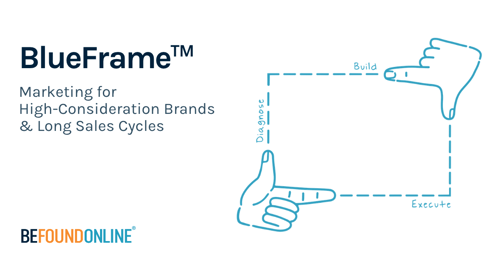
BlueFrame follows three phases:
- Diagnose: Evaluate SEO and AI search visibility, paid media performance, and analytics to identify opportunities and develop a Revenue Visibility Roadmap.
- Build: Improve measurement and attribution through GA4, online-to-offline conversion tracking, executive dashboards, and coordinated remarketing strategies.
- Execute: Put the strategy into action through ongoing SEO, AI Search Optimization, paid media, and remarketing efforts.
For businesses looking to get started, our BlueFrame Sprint is a 90-day engagement focused on identifying gaps, evaluating opportunities, and building a roadmap for future growth.
As we head into 2027, the goal isn't simply to be visible across more channels. It's to understand which marketing efforts are reaching potential customers, influencing their decisions, and ultimately contributing to business results.
Frequently Asked Questions
How long will Google's November 2026 Core Update take?
Google began rolling out the November 2026 Core Update on November 10 and expects it to take up to two weeks to complete. Businesses should monitor performance during the rollout and wait until it's complete before evaluating the full impact.
How do I claim my business on ChatGPT?
Businesses can visit the ChatGPT Business Hub to claim their profile and verify ownership through supported methods, including phone or DNS verification. Once verified, businesses can manage their information and access available reporting features.
What happens to Dynamic Search Ads in 2027?
Google is retiring legacy Dynamic Search Ads functionality, with the final automatic migration to AI Max scheduled to begin in February 2027. Advertisers should review their existing campaigns and prepare for the transition.
How can businesses measure traffic from ChatGPT and AI search?
Businesses can use GA4 to monitor referral traffic from ChatGPT and other AI platforms, along with conversions and engagement. ChatGPT Business Hub also provides additional visibility into brand mentions, website clicks, and discovery topics, although those metrics don't necessarily represent completed website visits or conversions.
Where to Start
If you saw ranking movement this week, aren't sure how ChatGPT describes your business or still have Dynamic Search Ads running, any of those is a good place to begin. Book a free 30-minute BlueFrame diagnosis call and we'll walk through what we're seeing. Want a quick read on your AI visibility first? Try our free AIQ Pulse Check.


SUBSCRIBE TO OUR BLOG
Stay up to date with the latest industry best practices in digital marketing!