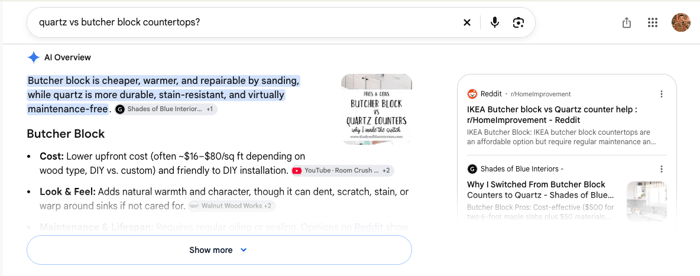
Nobody wakes up on a Tuesday and announces that today’s the day they hire a contractor. It starts small and slightly unhinged: a shower that finally got on someone’s last nerve, a kitchen with one too many broken cabinets, or a Pinterest board that’s been growing for months and has at least three conflicting aesthetics. Somewhere along the way, a screenshot gets texted to a partner at 11pm and a fiercely held opinion about quartz vs. butcher block appears out of nowhere.
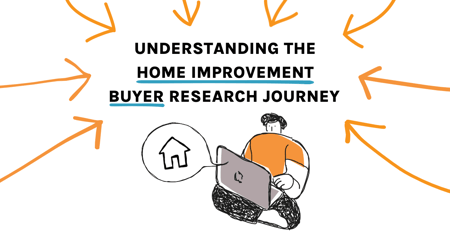
By the time that person fills out a quote request, they’ve been at it for weeks or months. They’ve grilled the friend who survived a remodel and read every cost breakdown on the internet. Your brand is either part of that story or meeting them at the finish line, which is a rough time to introduce yourself to someone who’s formed opinions and made a spreadsheet. The home improvement brands that secure the contract are the ones that showed up long before the quote stage. If you’re aiming for that, let’s walk through what the research journey looks like (tab clutter and all) and where your brand needs to be along the way.
It Starts With a Feeling
Before the research or saved photos, there’s usually a particular moment. A house purchase that came with a bathroom last updated during the Clinton administration. A tax refund burning a hole in someone’s account, or a relative’s holiday visit that made everyone realize the living room is not built for twelve people. The trigger is a feeling that something should change, and the buyer is still figuring out what.
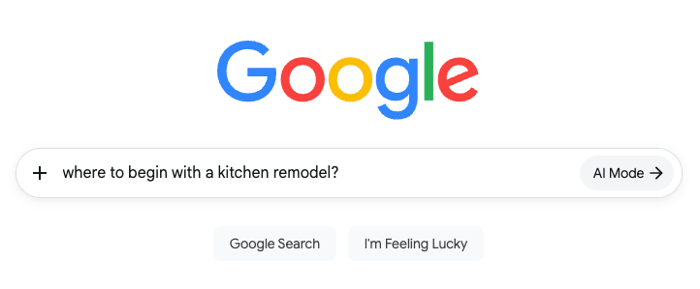
That’s why the first searches tend to be vague. Kitchen ideas, small bathroom layouts, what’s trending in outdoor spaces. Buyers wander through home tours, showrooms, and the finished projects of friends and neighbors, collecting pieces of a vision they can’t describe yet. They aren’t comparing contractors but figuring out what they want and what’s possible. Plus, they don’t know what it will cost or who could pull it off.
A lot of brands skip this stage because nobody is requesting a quote yet. However, it’s where buyers form their first impressions. The brands that show up here do it with inspiration, not a sales pitch: project galleries, design ideas, and content that helps buyers picture the finished result. When the quote stage arrives, a brand they’ve been admiring for months has a big head start over one they met last week.
The Research Phase Gets Practical
Eventually, the daydreaming runs into a calculator. The mood board is gorgeous, and then a practical voice shows up and asks what any of this will cost. The research gets serious, as buyers stop collecting ideas and start collecting answers, and the questions get more specific:
- What does a project like this cost, and what makes the price swing so much?
- How long will it take, and how long will my house be a construction zone?
- Which materials hold up, and which ones just look good in photos?
- What do I need to watch out for before signing anything?
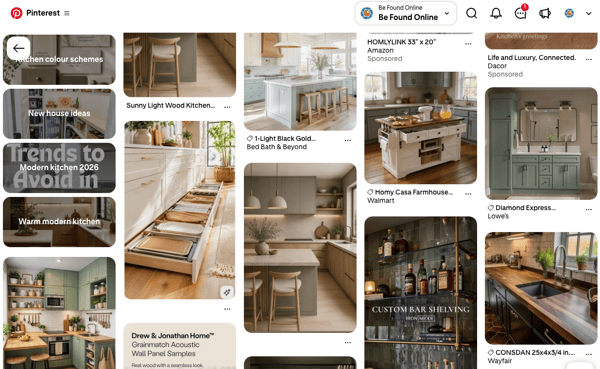
They take these questions to Google, AI tools, comparison articles, and anyone who has survived a remodel themselves. They’re building enough knowledge to sound like they know what they’re doing when the contractor calls, because nobody wants to be the person nodding along to a number they can’t judge.
Trust is earned here in the most unglamorous way possible: by being honest. Think serious cost ranges, timelines that don’t read like wishful thinking, and plain-language explanations of tradeoffs. Brands that dodge these questions and hide behind a contact form lose people to whoever was willing to answer. The ones that answer are remembered as the people who helped before anyone asked for anything.
The Decision Is a Group Project
Somewhere around the research phase, another truth emerges: the person filling out the quote request is rarely the only one making the decision. There’s a partner who cares deeply about resale value, a parent who offered to chip in and now has opinions about tile, and a best friend who renovated in 2019 and considers themselves a consultant.
The result is a decision with several mini-journeys running side by side, and each one asks a different question:
The budget keeper
Wants to know whether the price is reasonable and what could go wrong. Cost guides and honest pricing explanations are what win this person over.
The design lead
Wants to know whether the finished project will look like the photos and match their taste. Galleries and real project examples do the heavy lifting here.
The logistics person
Wants to know how long this will take and where everyone lives in the meantime. A clear process page can earn their trust.
The skeptic
Wants to know why this brand and not the one a coworker used. Reviews and third-party proof are the only things that move them.
A brand might impress one of them completely and never even meet the others. That’s why content that answers more than one kind of question does so much work behind the scenes. A cost guide that calms the budget keeper, a gallery that wins over the design lead, and a process page that reassures the logistics person can all be forwarded in a group text without anyone from the brand present. The easier a brand makes it to share, the more likely the household ends up on the same page.
Trust Gets Tested Before Quotes Come In
Hiring a home improvement brand means handing a stranger the keys to the most expensive thing most people own, and buyers know how that story can go wrong. Everyone has a cousin or coworker with a horror story about a project that ran months late or a final bill that ballooned. Those stories sit in the back of every buyer’s mind, so long before a quote arrives, they’re looking for reassurance.
They go looking for proof, and find it in a handful of places:
- Reviews: Detailed ones that mention the crew, timeline, and how problems were handled.
- Before-and-after photos: Projects that look like the kind of home and budget they’re working with.
- Project galleries: Enough variety to show range without looking like a stock photo library.
- Licensing, warranty, and process details: The unglamorous basics that signal a brand plans to be around next year.
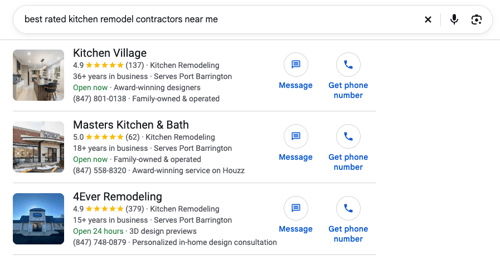
What carries the most weight is rarely what a brand says about itself. A paragraph of customer praise on a website is nice, but a stranger’s honest review on a third-party platform is what moves the needle. Reviews that read like they were approved by a committee create doubt, while slightly imperfect ones create confidence. If you want to earn the quote, make buyers feel safe long before anyone signs on the dotted line.
Where AI Fits Into the Journey
Somewhere in the last year or two, homeowners picked up a research assistant that never sleeps. Buyers now ask ChatGPT, Perplexity, and Google’s AI features things they used to save for a friend who’d been through a remodel, like who the best kitchen remodelers near them are, what a bathroom renovation should cost in their area, and how one brand stacks up against another.
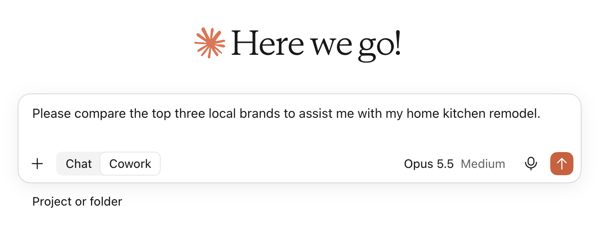
The answers shape the shortlist before a quote request goes out. A buyer might ask AI to compare three local brands, get a tidy summary, and walk into the first phone call leaning one way. A brand that’s named, described accurately, and tied to the right kind of project is on the list. A brand that doesn’t come up might never find out it was in the running.
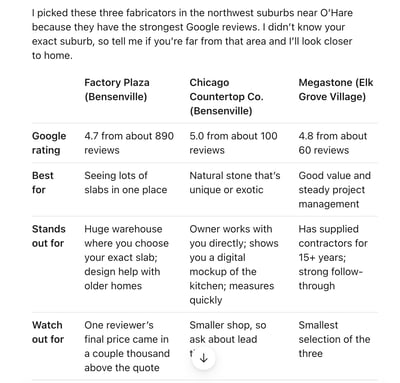
Local and regional brands are described based on what AI can find about them across the web, and that goes well beyond your website. Reviews, directory listings, service area details, project mentions, and local press all feed the picture, so a brand with consistent information everywhere is easier to recommend than one with an outdated listing or vague homepage. The brand AI can describe in a sentence is usually the brand it names.
The Comparison Stage and the Quote Stage
Eventually the list gets cut down to two or three finalists. By this point, the buyer has a folder of screenshots and a strong feeling about which brand returned their call fastest. Then the quotes arrive, and what looks like a price comparison turns into something more layered:
- The quote itself: Is it clear, itemized, and easy to understand, or does it read like a puzzle?
- The timeline: Does it sound realistic, or like it was written by someone who has never met a permit office?
- The financing: Is there a way to make the number seem manageable?
- The communication style: Did anyone answer questions patiently, or did the buyer feel like a lead in a queue?
The tricky part is that this stage tends to go quiet. The buyer stops replying while they compare, talk it over, and wait for a free weekend, and most brands read that silence as a no. But it likely means they’re still deciding. The ones that stay in the picture do it by being useful instead of persistent, with an answer to a question that came up on the last call or a similar finished project to look at.
Where Brands Lose Buyers Along the Way
Buyers who walk away rarely announce it. There’s no angry email or dramatic exit, just a quote request that never comes and a brand that never learns why. Most of the time it was a handful of small mistakes that made someone else seem like the safer bet.
Messaging that could belong to any contractor
Phrases like quality craftsmanship and exceptional service say nothing a competitor couldn’t also claim, so buyers can’t tell who they’re looking at. Specific beats polished every time.
Galleries and reviews that look stale or staged
Photos from a decade ago, or five-star reviews that all sound like the same person wrote them, make buyers wonder what’s being left out.
Pricing and process that stay a mystery
When a buyer can’t get a ballpark or a sense of what happens after they reach out, they assume the answer is unpleasant and move on to a brand that wasn’t shy about it.
Details that don’t match across the web
The website lists one service area, and an old directory listing has a phone number that rings in a different decade. Buyers notice, even when they can’t say what felt off.
A slow reply to the first inquiry
A buyer who finally worked up the nerve to reach out is at their most motivated. A day or two of silence is enough for them to call the next name on the list.
Every one of these is fixable, and most are cheaper than winning a buyer back after they’ve formed an opinion. A fresh set of project photos, a plain-language pricing page, and an audit of every profile can remove the reasons a buyer hesitated.
The Sledgehammer Comes Last
By the time a homeowner picks up the phone, most of the project has happened in their head. The vision exists, the budget has been debated, and a shortlist has been narrowed. The brands on that list earned their spots weeks or months before anyone asked for a quote.
That’s the opportunity. Show up with inspiration while buyers are dreaming and with honest answers while they’re doing the math. Do this, and you’ll start being the name buyers trust when it arrives.
If you’d like to see where your brand shows up along the journey, and where buyers might be slipping away, our team would love to dig in with you. Reach out anytime!


SUBSCRIBE TO OUR BLOG
Stay up to date with the latest industry best practices in digital marketing!